Find Your Path
A Path is an intentional plan developed for your educational journey at Evergreen. Your Path will help you stay on track and taking the courses and programs that are just right for your interests. Follow one of the Paths categorized into three areas: Arts & Humanities, Sciences, and Community & Social Sciences; or build your own path.
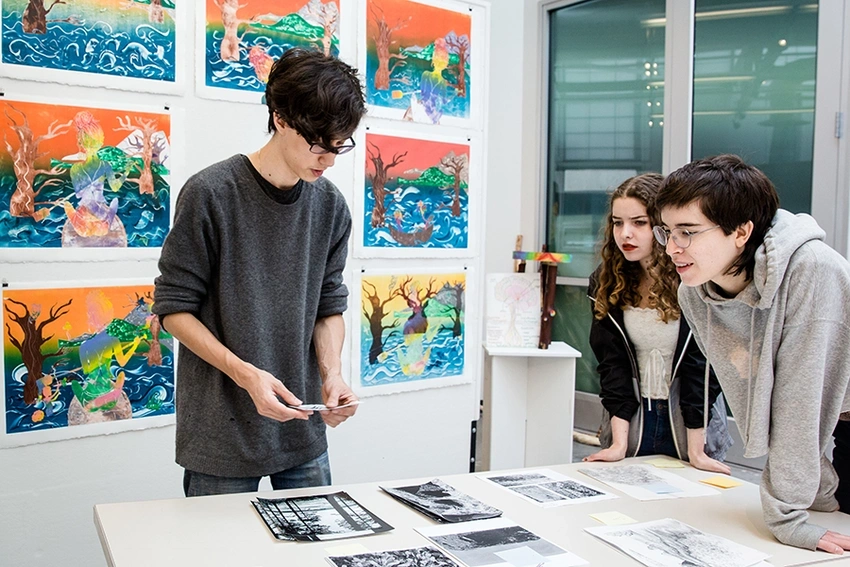
Arts & Humanities
Find your way with Paths in the Arts & Humanities.
Explore the history, society, culture, literature, and languages of people in the United States and around the world.
Fuse the arts of creative and critical writing. Write creatively, read closely, and think critically through the rich resources of language and written expression.
Express your creativity and develop your artistic voice. Deepen your skills across mediums and use your studies to better understand culture, politics, and your community.
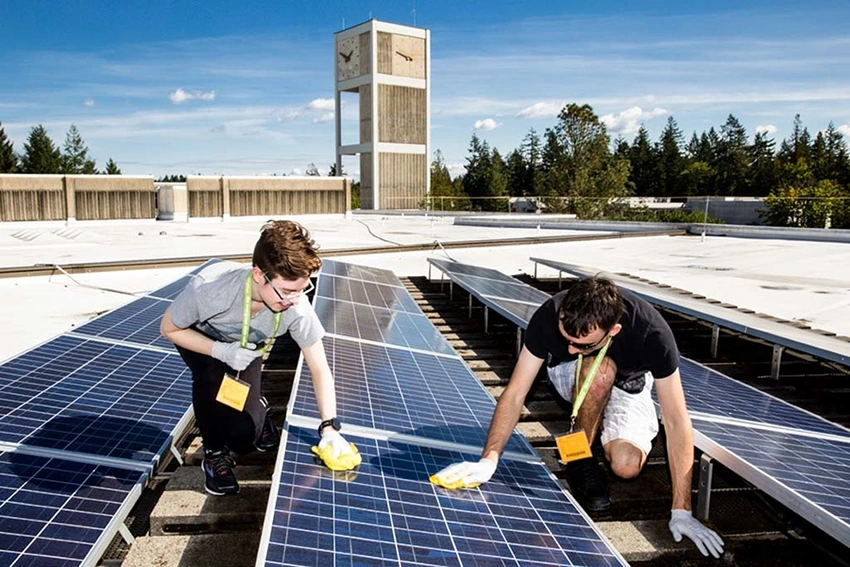
Sciences
Find your way with Paths in the Sciences.
Merge the natural and social sciences. Chart your course to a future in environmental work through hands-on experiences, mentored research, and community outreach work.
Dig deep into all things food. We all eat food. But how is it raised, grown, or foraged, by whom, and at what cost? How do we create a food system that works for all?
Examine life from atoms to ecosystems. Through lab experiments, field work, hands-on research, and science writing, you’ll gain the full range of skills needed to launch your career as a scientist.
Build, model, experiment and code. Reason logically and creatively about computational, mathematical, physical and chemical systems. Work with modern computing and research technology.
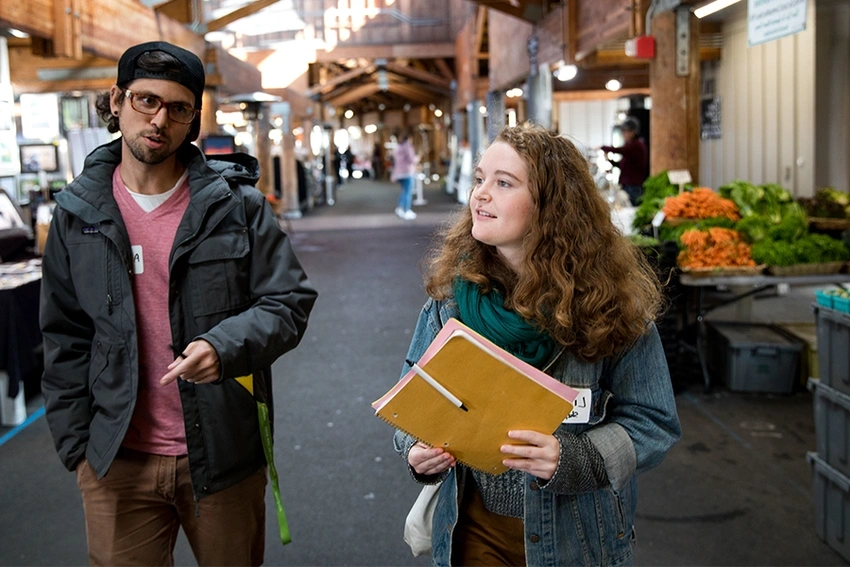
Community & Social Sciences
Find your way with Paths in the Community & Social Sciences.
Deepen your knowledge of Latinx, Latin American, and immigrant communities and gain skills for careers in education through coursework, community-based learning, and study abroad.
Learn about the effects of colonialism and decolonization and explore enduring Indigenous ways of knowing.
Investigate the vital political, economic, ecological, and social issues of the early 21st century. Learn about their history and development, their present manifestation, and envision alternatives.
Explore behavior and consciousness, how people are shaped by societal influences, integrative health practices, tools for community engagement and change, and question what it means to be “normal.”